
Alleviate therapy
Role
Date
OVERVIEW
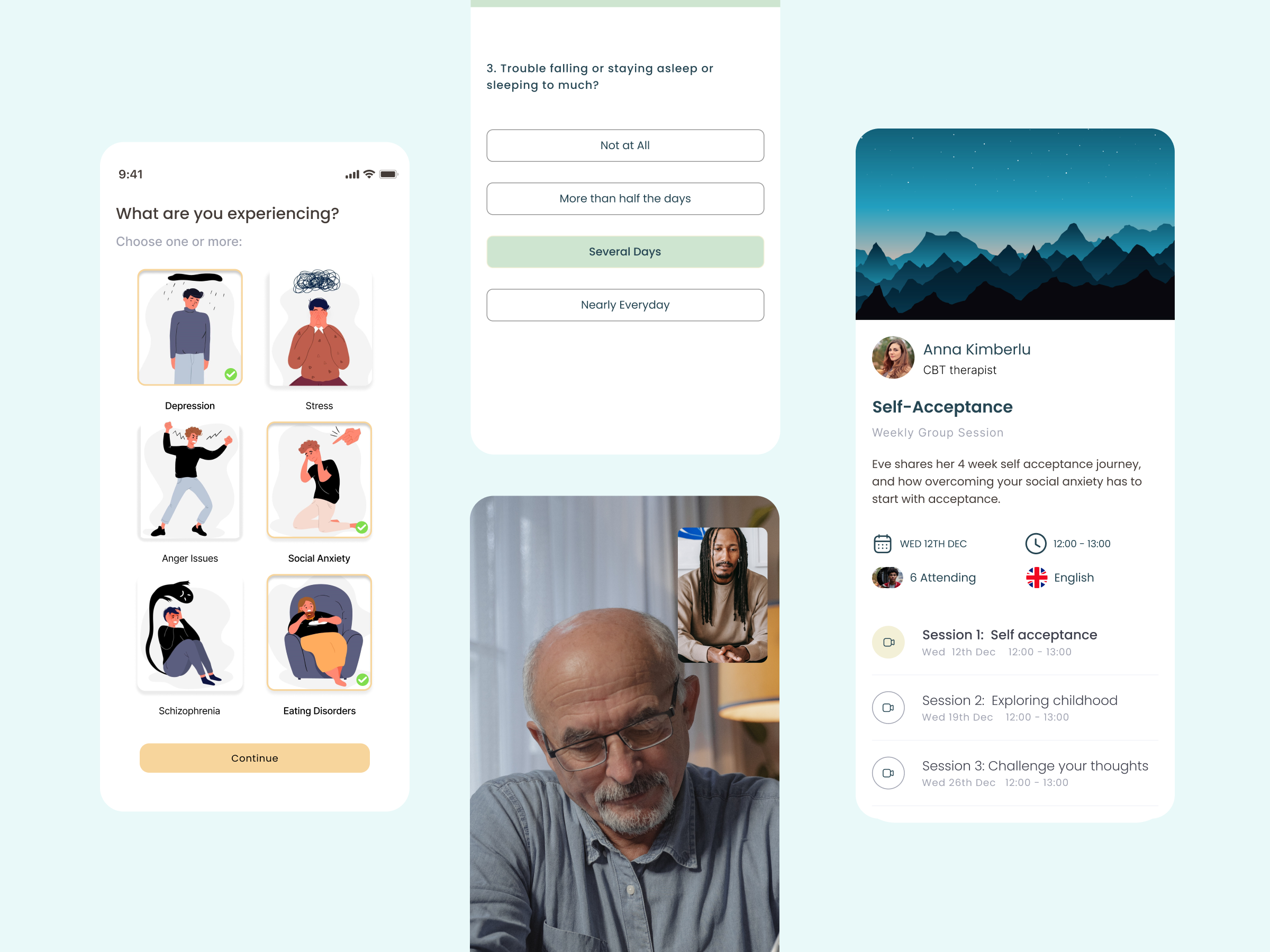
Alleviate Therapy is a mobile therapy platform designed to seamlessly connect users with certified mental health therapists. The aim is to deliver a compelling digital solution for therapy sessions that is not only effective but also affordable. Alleviate enables users to actively engage with their therapists both during and between sessions, fostering a continuous and enriching therapeutic experience.
Multifactor authentication (MFA) is an industry standard that elevates security by verifying a user’s identity through multiple methods such as passwords, one-time codes, and biometrics.Given that a significant portion of our patients are contracted with NHS partners, it was imperative for us to reassure patients about the safety of their data. Therefore, adopting MFA during patient onboarding and informing existing users became a crucial step.
Problem statement
According to the World Health Organisation (WHO), the COVID-19 pandemic has significantly disrupted vital mental health services. Reduced public funding has strained mental health resources, leading to a surge in demand for referrals. Waiting times in the public sector for professional assistance can last up to 12 weeks, prompting some people to opt for private therapy, but at a premium cost.
The sensitivity of mental health data adds another layer of concern. Online therapy apps have faced scrutiny regarding potential breaches of user privacy and the risk of data being shared or misused. A research article from consumer reports revealed that certain major apps shared user data with tech giant Facebook.
The Solution
In the research phase, we embraced a user-centric approach and employed "How Might We" (HMW) statements to frame some of the challenges for both new and existing users
- Develop a platform that emphasises delivering high-quality care to users while ensuring transparency regarding user data.
- Enable users to select their therapist according to their specific needs. Implement a matchmaking process to foster rapport-building, allowing users to establish a strong alliance with their therapist.
- Incorporate built-in tools within the app to facilitate therapists in monitoring changes in assessment scores and engaging in Cognitive Behavioural Therapy (CBT) through worksheets and handouts.
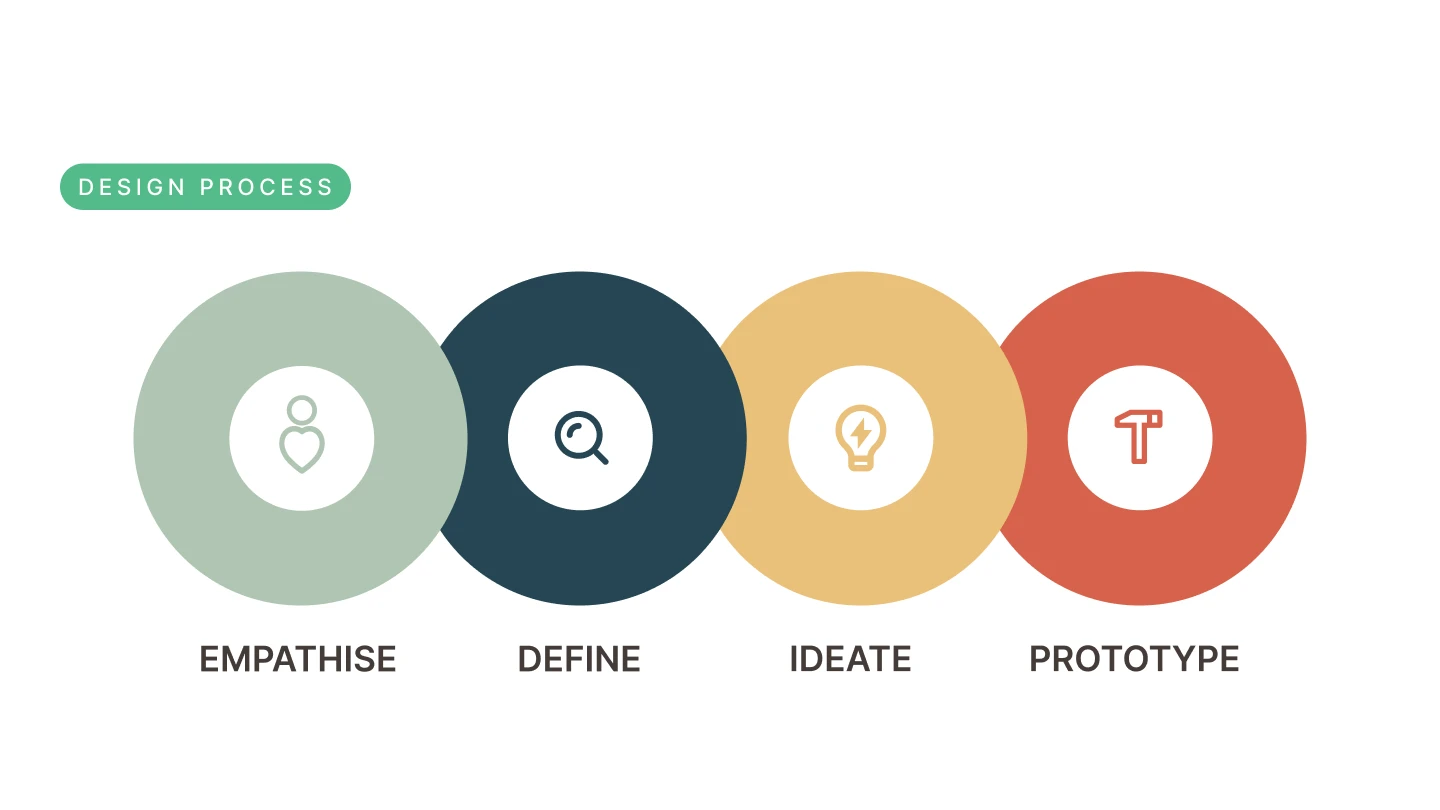
DESIGN PROCESS
1) Empathise
Starting with market research, I explored several existing e-therapy platforms to draw inspiration for design and industry trends. A comprehensive examination of each platform unveiled distinct design patterns and highlighted opportunities for improving usability.
SWOT Analysis
User reviews on Apple’s app store and Google’s play store platforms allowed me to discover pain and gain points across various online therapy platforms.
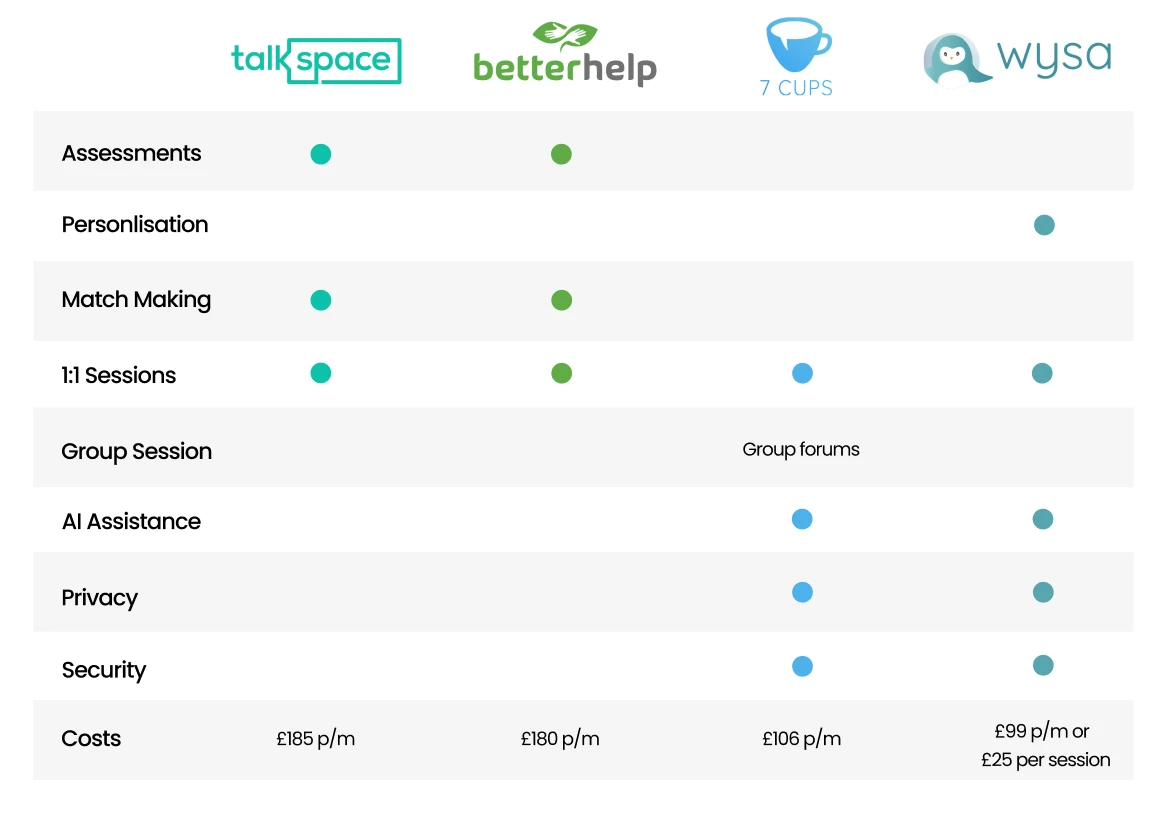
The prominent players in the online therapy app market included Talkspace, Betterhelp, 7 Cups, and WYSA. I analysed each app to see common features and other factors that set them apart from their competitors.
Questionnaires & Surveys
1) Guiding Questions for patient users:
In the research phase, we embraced a user-cI sent surveys among individuals who had experience with online therapy and therapists to gather insights into the challenges they encountered on online therapy platforms.entric approach and employed "How Might We" (HMW) statements to frame some of the challenges for both new and existing users
1) Guiding Questions for patient users:
- How does your online therapy experience differ from traditional face-to-face therapy?
- Do you think online therapy is just as effective as traditional therapy?
- What are the benefits and drawbacks of using online therapy?
2) Guiding Questions for therapist users:
- How do these platforms or tools help you as a professional when treating your patients?
- Do you think online therapy apps that are readily available on app stores are effective in treating individuals suffering from mental health?
- Do you think online therapy apps that are readily available on app stores are effective in treating individuals suffering from mental health?
2) Define
Each app exhibited its strengths and weaknesses, through its features and user ratings. The questionnaires aimed to provide understanding of user pain points. Upon reviewing the responses, a recurring issue began to surface
Pain points from patient users
2) Define
Each app exhibited its strengths and weaknesses, through its features and user ratings. The questionnaires aimed to provide understanding of user pain points. Upon reviewing the responses, a recurring issue began to surface
Pain points from patient users
- Subscription-based payments
Despite claims of affordability, users found monthly subscriptions on online therapy platforms to be costly. Many preferred a pay-per-session model, and some users noted their session lasted below the 50 minute standard.
- Finding a suitable therapist
Users often faced difficulties when assigned therapists at random, leading to a hit-or-miss situation. Many opted to switch if they found the assigned therapist incompatible with their needs.
- Geographical time differences
While online therapy apps boast a global reach, the concentration of professionals in the U.S. posed challenges for international users. The inconvenience stemmed from differing time zones and language barriers, impacting the accessibility and effectiveness of sessions.
Pain points from therapists
- Low Engagement rate
Therapists noted that clients often discontinue therapy due to low motivation and a fear of judgment. Enhancing engagement is crucial to foster a stronger connection with their therapist and promote progress.
- Lack of psychological tools within the app
Therapists frequently task patients with activities during sessions to encourage self-discovery. However, the tools for these activities are typically provided by third-party vendors, and the process of downloading, editing, and sending worksheets to clients can be time-consuming.
After reviewing the questionnaire responses, I synthesised my research findings by creating an empathy map. This method allowed me to understand the perspectives of both patients and therapists, not only delving into their experiences but also identifying potential changes to enhance engagement and foster the client-therapist alliance.
3) Ideate
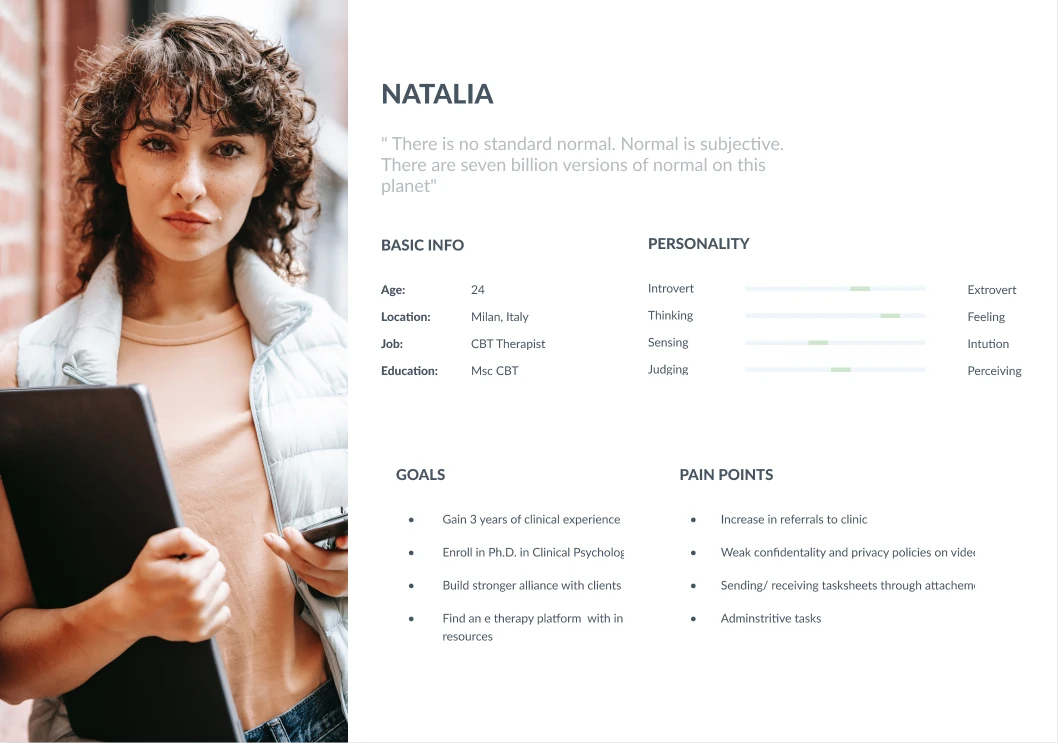
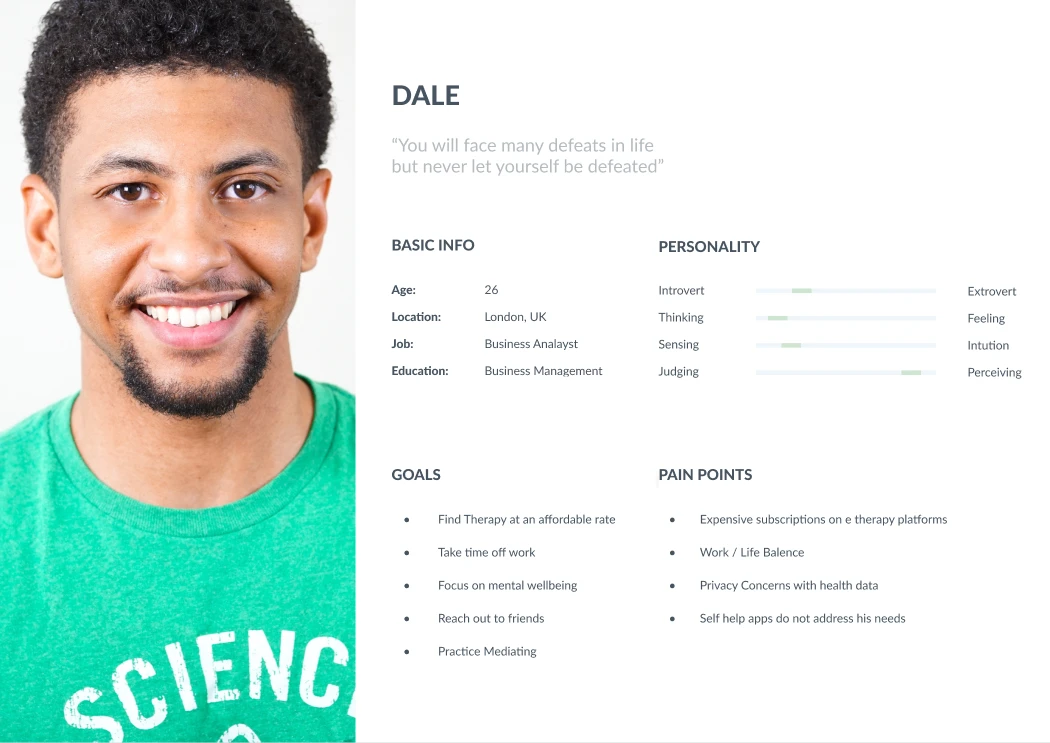
Based on the gathered data, I synthesised the needs of both patiens and therapists to create two user personas rooted in common needs and challenges. Each persona captures their motivations and goals, providing a basis for uncovering opportunities throughout the app's feature design process.
4) Prototype
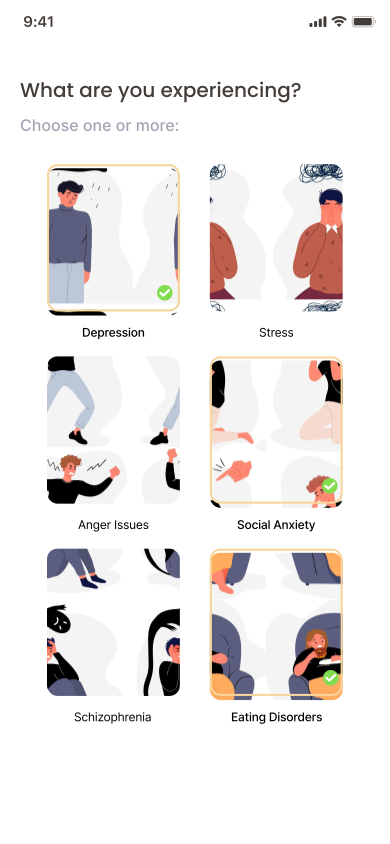
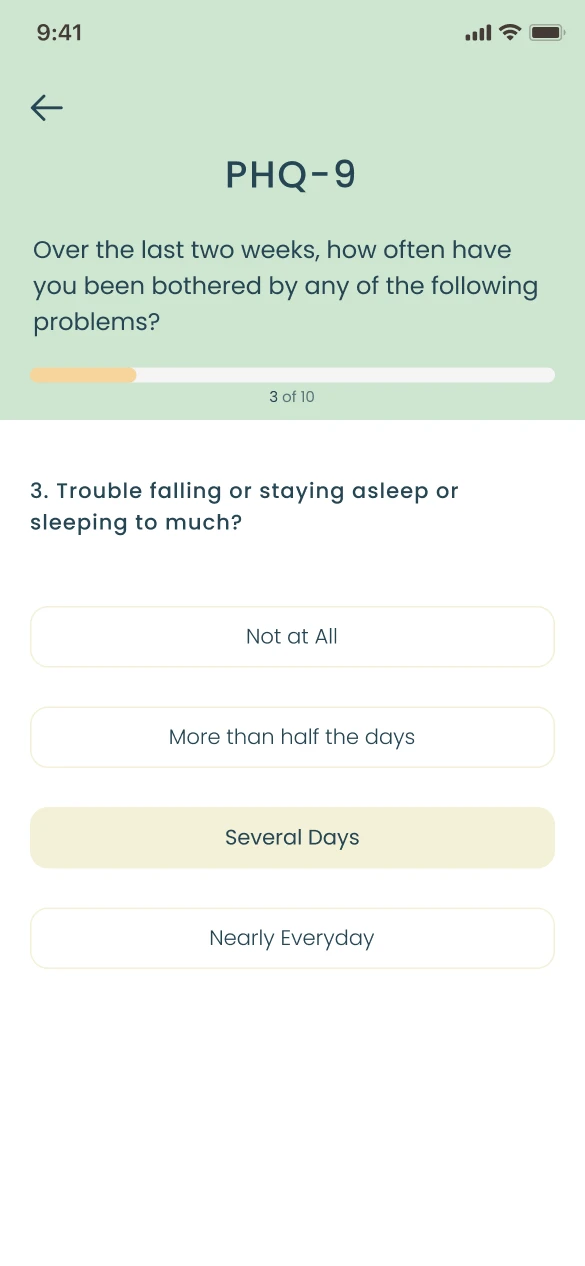
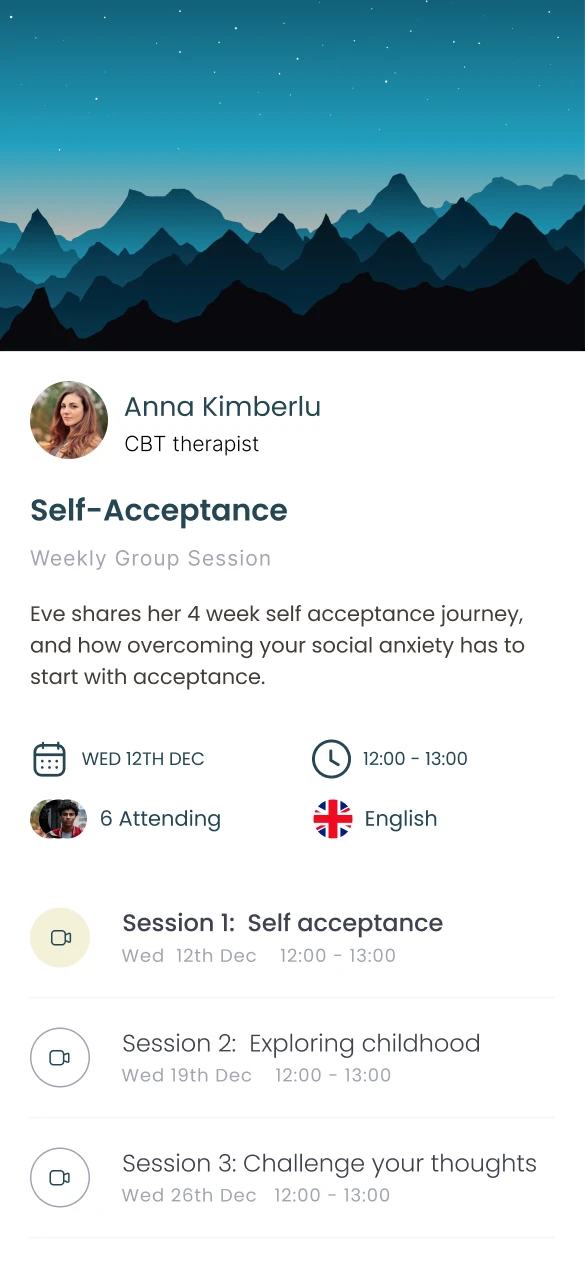
Based on my sketches and user flows, I began generating wireframes using Apple's Human Interface Guidelines and experimenting with various patterns and layouts.
OUR aPPROACH
Whilst MFA provides various methods, we discussed the pros and cons of each before ultimately choosing two primary approaches for implementation in our system:
1) Authenticator Apps
- Time-based one-time password (TOTP) generates a unique temporary password that changes at regular intervals based on current time. We adopted Microsoft's and Google’s authenticator apps as they are industry recognised and provide a robust solution.
2) Mobile Verification
- Integrating a mobile verification method offers a simpler and more user-friendly option. Using an SMS or automated call provides an additional layer of security and can be an alternative to users who are less tech savvy.
Journey Mapping
We mapped out a user journey during patient onboarding, streamlining the MFA setup process and allowing existing users to set up MFA within the platform, whilst ensuring a user-friendly experience.
Prototype


CHallenges & INSIGHTS
The market is flooded with well-being apps that lack direct input or guidance from mental health professionals. While they can provide general strategies, they may not address the specific and complex needs of individuals dealing with severe mental health issues. My idea was to introduce a platform offering privacy-focused, affordable, and evidence-based interventions with the inclusion of mental health professionals.
Designing a mental health app can be a complex process, as a one-size-fits-all approach doesn't suit the diverse nature of mental illnesses. Recognising the individuality of how people experience symptoms is crucial. Human-to-human interaction is incorporated, enabling therapists to tailor treatment plans based on individual needs.